
A shopper in Brazil likes your product enough to reach checkout. Then the small annoyances start: dollars instead of reais, no Pix, a shipping charge they didn’t expect. Maybe they complete the order. Maybe they don’t. You paid for that click, and now the checkout is doing you no favors.
An English-to-Portuguese translation won’t solve any of it.
Understanding localization in ecommerce
Localization means making a store usable and familiar in another market. Language is part of it; so are sizes, tax displays, payment choices, and returns. If a valid address won’t fit your form, polished copy won’t save the sale.
Key components of a localization strategy
- Use the words customers use. “Trainers” in the UK, “sneakers” in the US. A product title that sounds natural in one place may miss common searches in another. Check terms with someone local, then use them throughout menus, emails, and support pages. Machine translation helps, but a person should check the details.
- Give the visuals a second look. A size chart built around US measurements makes a European buyer stop and convert numbers. A winter promotion looks odd in a country heading into summer. Ask local reviewers what they notice before recycling a campaign. They’ll often catch details you missed.
- Checkout without surprises. Show prices in local currency and make taxes and delivery fees clear before the last step. Offer ways to pay that fit the market, like Pix in Brazil or iDEAL/Wero in the Netherlands. More buttons won’t help if the option customers want is missing.
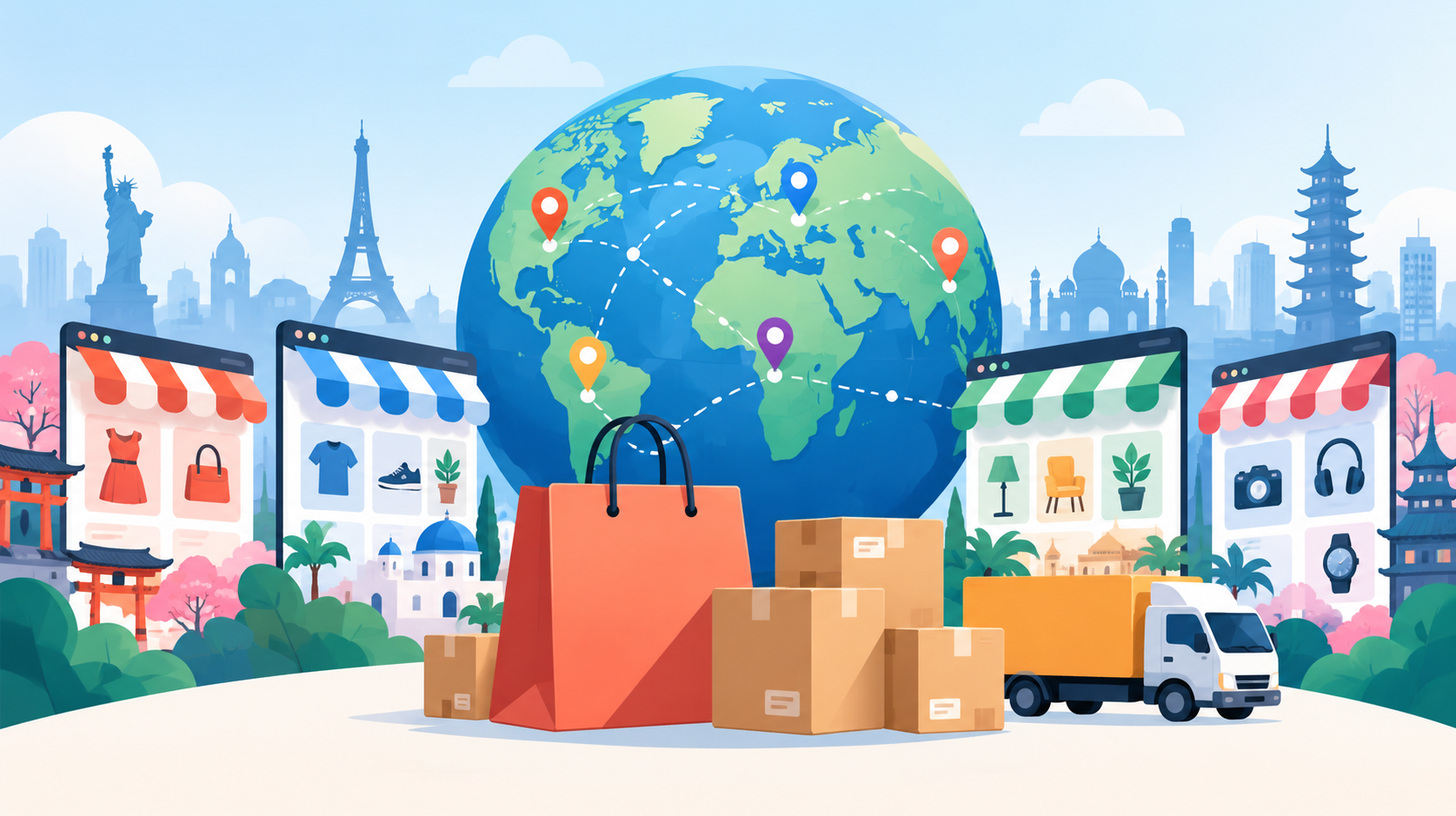
E-commerce localization for new markets - What local rules allow. The same product may face different restrictions across a border. A beauty brand needs to check labels and claims; a business sourcing wholesale nicotine pouches must check whether sales and advertising are permitted in each destination. Privacy, taxes, and return rights need attention too. It’s easier to change a plan before the listings go live.
- Shipping and returns. Put realistic shipping times, costs, and possible import fees where people can see them. Explain what a return involves, especially when it crosses a border. Local fulfillment may help once orders pick up, but clear expectations matter from the first sale.
- Forms and other small details. Address fields, phone numbers, and clothing sizes don’t work the same everywhere. Test checkout with real local details, on a phone. Hide items you can’t ship to that market. And if your site guesses a visitor’s country, let them change it.
- Support after the sale. A missing parcel is frustrating enough. Localize your help pages and make sure someone can handle the question, not just send a translated reply. A polite auto-response won’t find a parcel.
Best practices for successful localization
Start with one market. Check local prices, shipping costs, and search terms. Talk to people who actually shop there. Test a smaller product range before translating the whole catalog. It’s easier to fix a bad returns process with twenty orders than two thousand.
Keep a glossary for product names and a clear process for updates. Pages get stale when nobody owns them. Then place a test order on your phone. Check the address field, the error messages, and the email that arrives afterward. That’s where small mistakes tend to hide.
After launch, watch abandoned checkouts, failed payments, and support requests. People leaving at the shipping screen are telling you something different from people whose cards won’t go through. Follow the clues before redesigning the homepage again.
Localization in action
Amazon operates country-specific marketplaces with listings in local languages. Airbnb lets hosts add descriptions in other languages, with automatic translation to fill the gaps. Both help people find answers without extra work.
Before spending more on ads in a new country, buy something from your own store as a local customer would. If checkout leaves you guessing, it will leave shoppers guessing too.